📌 A Slug in Your Home Is Trying to Tell You Something About Your Property
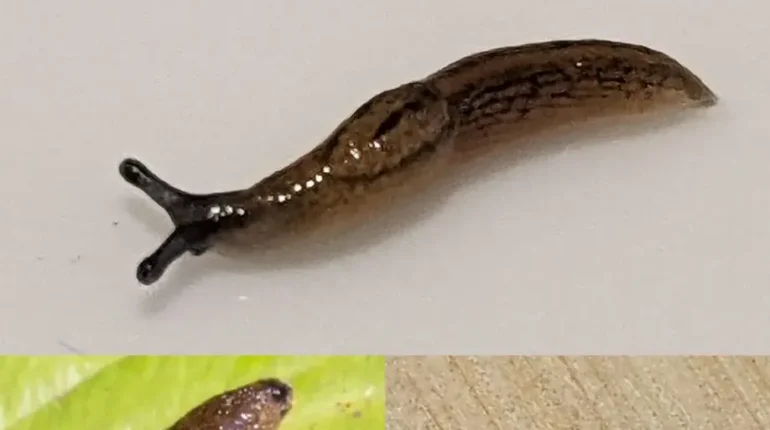
Posted 7 December 2025 by: Admin
Understanding The Slug’s Essential Role In Your Garden Ecosystem
These slimy visitors arrive in your home not as invaders, but as messengers—revealing something fundamental about the living world outside your walls. Before dismissing them as mere pests, it’s worth understanding what slugs actually do.
Slugs function as nature’s recyclers, sustaining the very foundation of your garden’s health. They feed on decaying leaves, dead plant matter, fungi, and algae—breaking down organic material and returning nutrients to the soil. Without these decomposers working in the shadows, your garden would accumulate dead organic matter, choking out new growth.
A healthy garden ecosystem requires this balance. Slugs, alongside snails, worms, and insects, form an essential network that transforms waste into fertility. « You may not love them — but they’re doing important work, » as the reality stands. Their presence indicates something is working correctly in your yard’s biological architecture.
The truth is uncomfortable: respecting nature means acknowledging creatures we find distasteful play critical roles we rarely see. When a slug crosses your kitchen floor, it’s not a failure of your home—it’s evidence of a functioning ecosystem nearby. Understanding this distinction transforms how you respond.
The Hidden Moisture Problem Slugs Are Revealing About Your Home
That functioning ecosystem outside your walls thrives on one critical resource: water. Slugs lose moisture rapidly through their skin and cannot survive in dry conditions—which explains why they venture indoors in the first place. Their sudden appearance isn’t random. It’s a diagnostic signal.
If slugs are crossing your threshold, examine what’s happening at your home’s perimeter. Dense mulch pressed against the foundation creates a humid microclimate. Leaky outdoor faucets and clogged gutters transform your foundation into a moisture reservoir. Overwatered flower beds and shaded, damp corners become slug highways leading directly to your door.
The revealing part? These same conditions attract far more than slugs. Pill bugs, millipedes, and even mice follow the same moisture gradient into your home. The slug isn’t the problem—it’s the symptom. It’s your yard telling you something about water management has shifted.
The solution requires thinking systematically. « Improve drainage, redirect downspouts, and create a dry barrier around your home, » breaking the moisture pathway that invites all these visitors. This means repositioning mulch away from foundations, fixing leaks promptly, and ensuring water flows away from your structure, not toward it.
When you eliminate the conditions slugs need to thrive, you simultaneously address the vulnerability that allows multiple unwanted intruders inside. The slug removal begins outside—not with traps or barriers, but with understanding the fundamental physics of water and habitat that draw them near.
What Slug Presence Reveals About Your Yard’s Biodiversity
The moisture problem you’ve just addressed points to something deeper: a yard with active ecological function. That dampness attracts slugs because your environment is already supporting life in abundance. Understanding what that means shifts how you view these creatures entirely.
Slugs occupy a critical position in the food chain. They’re not isolated wanderers—they’re sustenance. Robins and thrushes hunt them across lawns. Frogs and toads rely on them as dietary staples. Hedgehogs, ground beetles, and snakes consume them regularly. Every slug in your yard represents a meal for predators that keep your outdoor space balanced.
This interconnection carries real significance. « If you see slugs, it could mean your yard supports biodiversity — a sign of ecological balance. » Their presence indicates your environment has graduated beyond ornamental landscaping into something functionally alive. The birds nesting in your trees, the beneficial insects in your soil, the amphibians in nearby water—they all depend on a food web that starts with decomposers like slugs.
Beyond ecology, these creatures serve science itself. Slug mucus contains compounds researchers study for medical applications. Their simple nervous systems help neuroscientists understand how brains function. Yes—these humble organisms are quietly advancing human knowledge in ways most people never realize.
The irony is sharp: the pest in your kitchen is a keystone species outdoors. Respecting that distinction changes everything about how you respond to finding one inside.
Humane Removal Methods And Prevention Strategies That Actually Work
Finding a slug indoors requires immediate but compassionate action. The creature poses no health threat, yet its presence signals something critical: entry points exist where they shouldn’t. That slime trail it leaves behind isn’t merely aesthetic damage—it’s a chemical roadmap for others to follow.
Removal itself demands gentleness. A paper towel or spoon suffices to scoop the slug gently, then place it outside in shaded, moist areas away from vegetable gardens where it might become a pest. Afterward, vinegar or soapy water erases the scent trail, preventing recruitment signals to incoming slugs. For persistent infestations, a shallow dish filled with beer or oatmeal serves as an effective trap—they crawl inside and cannot escape.
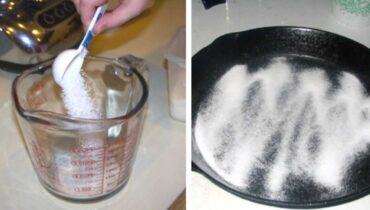
What matters most, however, is prevention. Never use salt indoors; it damages floors and inflicts unnecessary cruelty. Instead, seal cracks around door frames and windows, move mulch away from foundations, and fix the leaks that created the moisture problem in the first place. The philosophy is elegant: « Make your yard welcoming — but your home uninviting. »
This approach reflects something larger than pest control. It’s about recognizing that coexistence requires boundaries, not elimination. Your home has walls for a reason. By addressing moisture sources and entry points, you protect your space while respecting the creature’s rightful place in the ecosystem outside those walls. The strategy balances effective protection with genuine environmental stewardship—proving that practical solutions and ecological respect aren’t opposing forces but complementary ones.