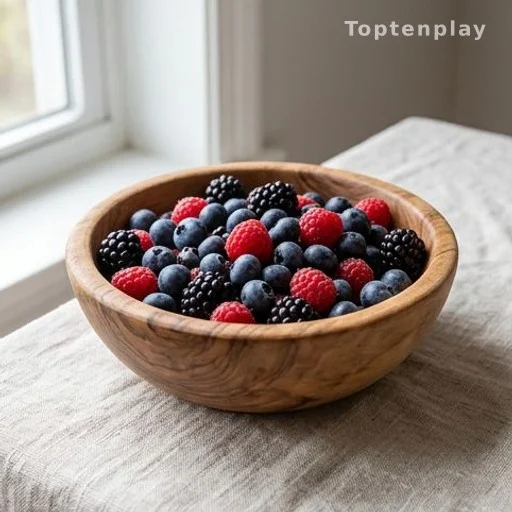
Wild berries hold a documented advantage over cultivated varieties. Studies have shown that wild blueberries have nearly twice the antioxidant capacity of commercially grown blueberries, a difference attributed to harsher growing conditions that force the plants to produce higher concentrations of protective compounds. Wild berries also carry fewer pesticide residues, and pesticide exposure has been linked to increased cancer risk.
Garlic contains over 200 biologically active compounds, including sulfur-containing amino acids, glutathione, and cysteine. Research supports its effectiveness particularly against gastrointestinal cancers, including gastric, colorectal, and esophageal cancers. Among its mechanisms, garlic inhibits the formation of nitrosamines and heterocyclic amines — cancer-causing compounds produced during food preservation and high-heat cooking — and demonstrates antimicrobial action against Helicobacter pylori, a bacterium linked to gastric cancer risk. Crushing or chopping garlic and letting it rest for 10 to 15 minutes before consuming activates allicin, its most potent compound.
Soursop (also known as graviola or guanábana) has produced one of the more striking findings in this field. A Journal of Natural Products (1996) study found that one of five compounds extracted from soursop seeds was selectively cytotoxic to colon cancer cells and was reported to be 10,000 times more potent than adriamycin, a chemotherapy drug, in that laboratory setting. A 2011 study also found that graviola fruit extract suppressed cancer-causing gene expression in cell and animal models of breast cancer. These results come from laboratory and animal studies; clinical evidence in humans remains limited.
Medicinal mushrooms and ginger: immune modulation and bioactive compounds under study
Three medicinal mushrooms — chaga, reishi, and shiitake — have accumulated substantial research interest. Chaga holds one of the highest ORAC (Oxygen Radical Absorbance Capacity) values of any natural substance, and a review published in 3 Biotech found that it induces apoptosis in human colon cancer cells. Reishi, long used in traditional Asian medicine, has been shown in research to inhibit tumor invasion and metastasis, and studies have found it active against breast, ovarian, prostate, liver, and lung cancer. Shiitake contains lentinan, a beta-glucan studied for its ability to suppress leukemia cell proliferation and enhance immune system activity against cancer cells.
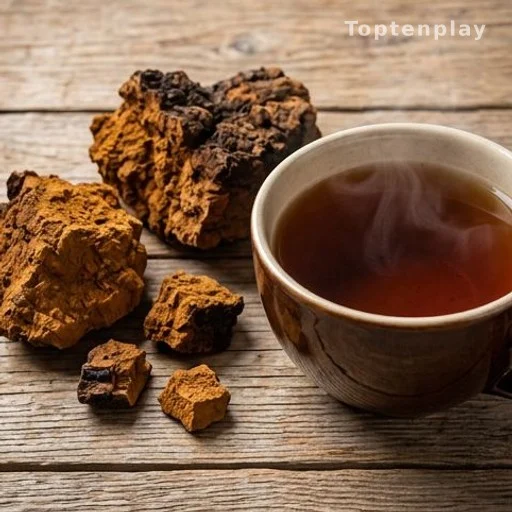
When sourcing mushroom supplements, the whole fruit body is the relevant component. Products that list myceliated grain substrate as an ingredient contain significantly less of the active compounds found in the fruit body itself.
Ginger (Zingiber officinale) contains three key bioactive compounds: gingerol, shogaol, and paradol. 6-Gingerol, the primary compound in fresh ginger, has been shown to block cancer cell proliferation and induce apoptosis. Shogaol, which forms when ginger is dried or heated, is considered more potent than gingerol in research settings: studies show it suppresses breast cancer stem cells — the cells associated with cancer recurrence and treatment resistance — and inhibits lung, prostate, colon, and ovarian cancer cell growth.
Ginger also exerts anti-inflammatory effects by reducing pro-inflammatory markers linked to cancer progression, and research suggests it can suppress metastasis in colorectal and pancreatic cancer. Fresh ginger tea, raw ginger in smoothies, and ginger combined with lemon and turmeric are among the most practical ways to incorporate meaningful amounts into a daily diet.
The most immediate open question in this field is the translation of laboratory and animal findings — particularly those around soursop acetogenins and curcumin — into large-scale human clinical trials. Several studies cited here, including the 1996 soursop research and mushroom apoptosis findings, have not yet been replicated at the clinical level in humans. Ongoing research registered on PubMed continues to examine curcumin’s interaction with chemotherapy and radiation protocols, with some studies already reporting data on tumor markers and patient survival time. Whether regulatory bodies will incorporate any of these findings into formal dietary guidelines for cancer prevention remains an open question for the years ahead.