That combination of low cost, short ingredient list, and allergen flexibility is a large part of why this type of shortcut dessert travels well across different social contexts, from casual family dinners to larger group events.
The condensed milk technique behind the texture
The science of the recipe is straightforward: sweetened condensed milk is a cooked, concentrated dairy product with a high sugar content that behaves very differently from regular milk or cream in baking. When combined with an acid like lemon juice, it thickens and sets without requiring eggs as a structural binder.
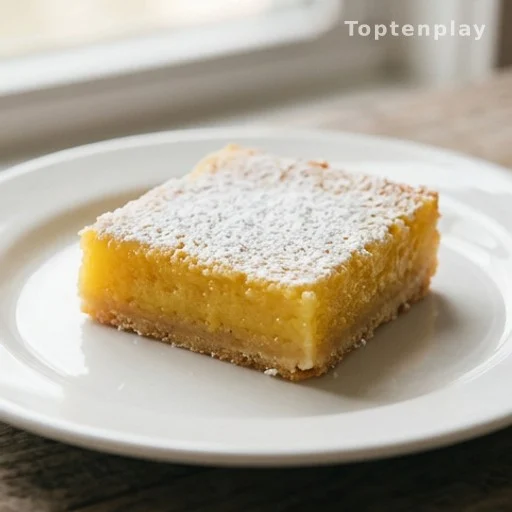
This is the same principle behind no-bake cheesecakes and certain icebox pies — the acid-dairy reaction does the structural work. In a baked application like these bars, heat then firms the mixture further, producing the dense, sliceable texture that holds a clean edge when cut.
Using the dry cake mix rather than scratch-made flour, butter, and sugar compresses what would otherwise be a multi-step crust-and-filling process into a single batter. The result is a bar that reads as more complex than its preparation actually is — which is, practically speaking, the point.
For bakers looking to expand on the base formula, the same three-ingredient method adapts to other citrus juices — lime and orange being the most common substitutions — though the set time and sweetness balance may need minor adjustment depending on acidity levels. The question of whether a gluten-free cake mix produces an identical texture to the standard version remains a common point of discussion in home baking communities, and results can vary by brand. As gluten-free baking products continue to improve in formulation, that gap is expected to narrow further.