Smaller breasts, by contrast, tend to have less fat and more glandular content, making them easier to stimulate. According to the research, this translates into heightened physical pleasure during intimacy. The finding challenges a cultural fixation on size by pointing instead to the quality of sensation.
Less gravity, less sagging — and why skipping the bra may help
Smaller breasts are subject to less gravitational pull, which means they tend to retain their shape more effectively over time — particularly after pregnancy or significant weight changes. This gives women with a smaller chest a long-term aesthetic advantage that larger busts do not share.

A French study added a counterintuitive finding to the debate: wearing bras may actually contribute to sagging by weakening the chest muscles that would otherwise provide natural support. For women who regularly go braless or wear minimal support, the research suggests they may be preserving their natural form.
The combination of less gravitational strain and reduced reliance on structural undergarments also keeps a smaller chest looking firmer and more youthful well into midlife — an advantage that tends to become more visible with age.
A shifting beauty standard
Average breast size has increased over the past couple of decades, driven in part by rising obesity rates, wider use of hormonal contraception, and the growth of cosmetic procedures. Against that backdrop, the cultural ideal has often leaned toward fuller figures — making the documented advantages of a smaller chest all the more overlooked.
Up to 23 pounds off your spine: the posture and pain difference
Oncologist Dr. Marisa Weiss has explained that D-cup breasts can weigh between 15 to 23 pounds — a load comparable to a weighted backpack worn permanently on the chest. That constant pressure contributes to headaches, poor posture, and chronic muscular tension in the neck, shoulders, and back.
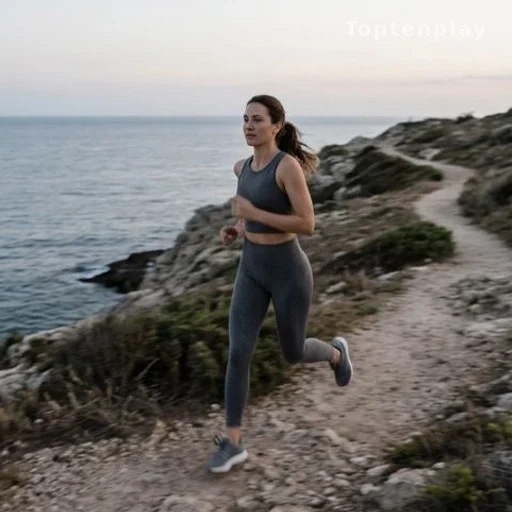
Women with smaller breasts carry significantly less weight on their frame, allowing for a more natural spinal alignment. The reduced load means less hunching forward and greater freedom of movement throughout the day.
This physical difference also has practical consequences for sport and summer activities. Backless dresses, strapless tops, halter styles, and sports bras all become genuinely comfortable options rather than structural challenges — a wardrobe freedom that extends well beyond aesthetics.
Suggested Posts
A mystery object in hand turns out to be a vintage tape dispenser
A small, polished golden-brown object sat in someone's hand with no obvious purpose — no label, no instructions, no obvious mechanism. Online searches and…